From Lab Bench to Storytelling
— how I became a science communication strategist
For many years, I worked in two worlds that rarely speak to each other.
I spent years in translational biomedical research, studying gene therapy and immune function during my PhD and postdoc, publishing articles, speaking at conferences.
At the same time, I was building a digital brand around food, culture and science. I built an engaged community while partnering with brands, embassies and media organizations. I taught myself marketing, communication and creative strategy out of pure curiosity.
Leaving the traditional path
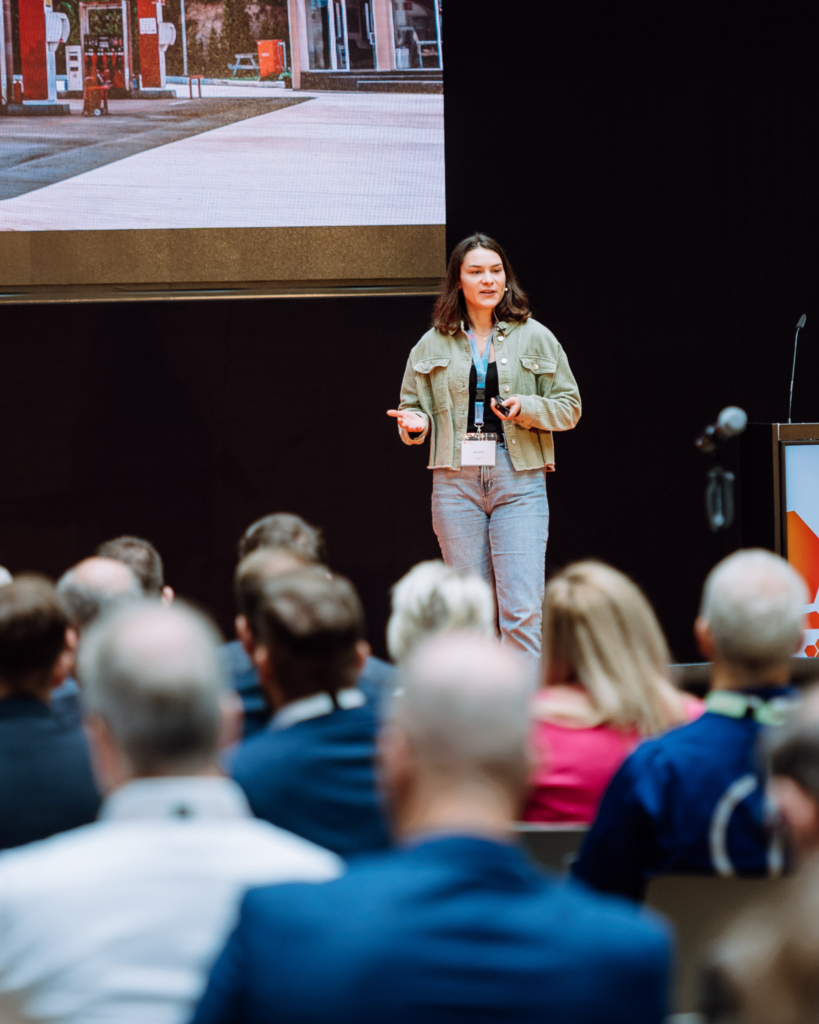
I genuinely enjoyed the research part during my PhD and postdoc, but the moments that excited me most were when I got to share my work and speak about science. I loved sharing what I was doing and sparking real conversations around the data made me feel incredibly empowered and driven. That was when I realized I should make communication my actual career.
So I did something most scientists don’t. I trained in science communication and chose to go independent.
As a freelance science communication strategist, I help science-driven startups, health innovators and academic teams translate complex research into clear, strategic communication that earns trust and authority.
Why we should work together
Marketing agencies understand social media.
Scientists understand science.
I am connecting both.
As a PhD scientist I can read studies, assess methodology and explain complex topics accurately.
Drawing on my background in content creation and digital storytelling, I know what makes people pay attention online, what builds trust and how to build an engaged community.
With my training in science communication, I understand regulatory frameworks, stakeholder strategy and how to translate research for different audiences.
Whether you need a strategic advisory sprint for an upcoming launch, ongoing communication support, or a hands-on workshop for your research team, let’s talk!

Let’s have a chat!
If you’re building a science-driven company or team and thinking about how to build trust and authority from the start, let’s talk.